
















5 Best Video Converter Apps on macOS?
Many video converter apps are available for macOS; the best ones will depend on your specific needs and preferences. Some popular options include Handbrake, Permute, Omniconverter, Movavi Video Converter, 1-Click Video Converter, Video Converter X2, Instant Convertor, iSkysoft Video Converter, Wondershare UniConverter, and Any Video Converter.
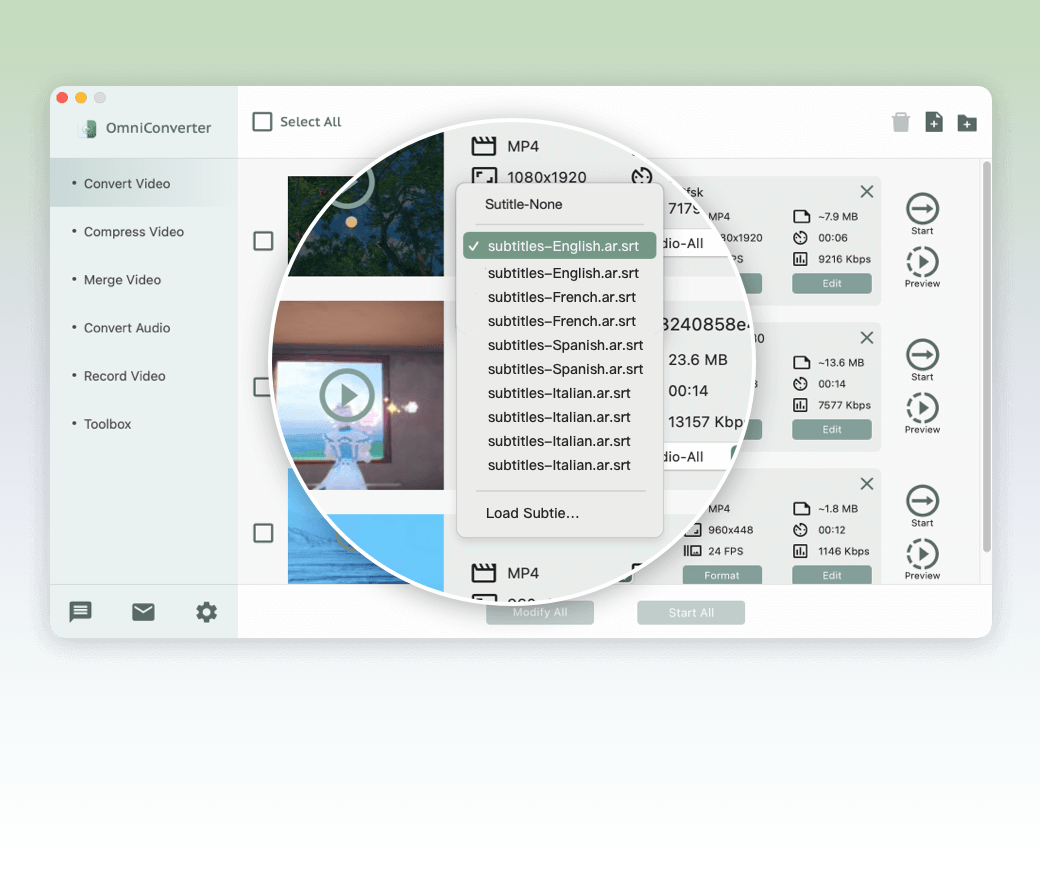
OmniConverter
OmniConverter is a powerful, easy-to-use video conversion app that converts your videos to various formats. This app is perfect for those who need to convert videos on different devices or share them with others online. With its user-friendly interface, even those with little technical experience can easily convert their videos.
One of the best things about OmniConverter is the wide range of input and output formats it supports. Whether you need to convert a video from MP4 to AVI or from MKV to MOV, the app can handle it all. This allows you to easily convert your videos on devices like smartphones, tablets, and game consoles.
Another great feature of OmniConverter is its fast conversion speed. The app can convert videos quickly without sacrificing quality. This means you won't have to wait long to get your videos in the format you need.
In addition to its conversion capabilities, OmniConverter offers various customizable settings, such as resolution, bit rate, and more. This allows you to fine-tune the output of your videos to suit your specific needs.
OmniConverter has additional features, such as video editing and batch processing. With the editing feature, you can trim, crop, and adjust the brightness and contrast of your videos before converting them. Batch processing allows you to convert multiple videos simultaneously, saving you a lot of time.
In summary, OmniConverter is an excellent video conversion tool for Mac users. It supports various input and output formats and offers fast conversion speeds and customizable settings. Its user-friendly interface and additional features make it an excellent choice for those who need to convert their videos for different devices or share them online.
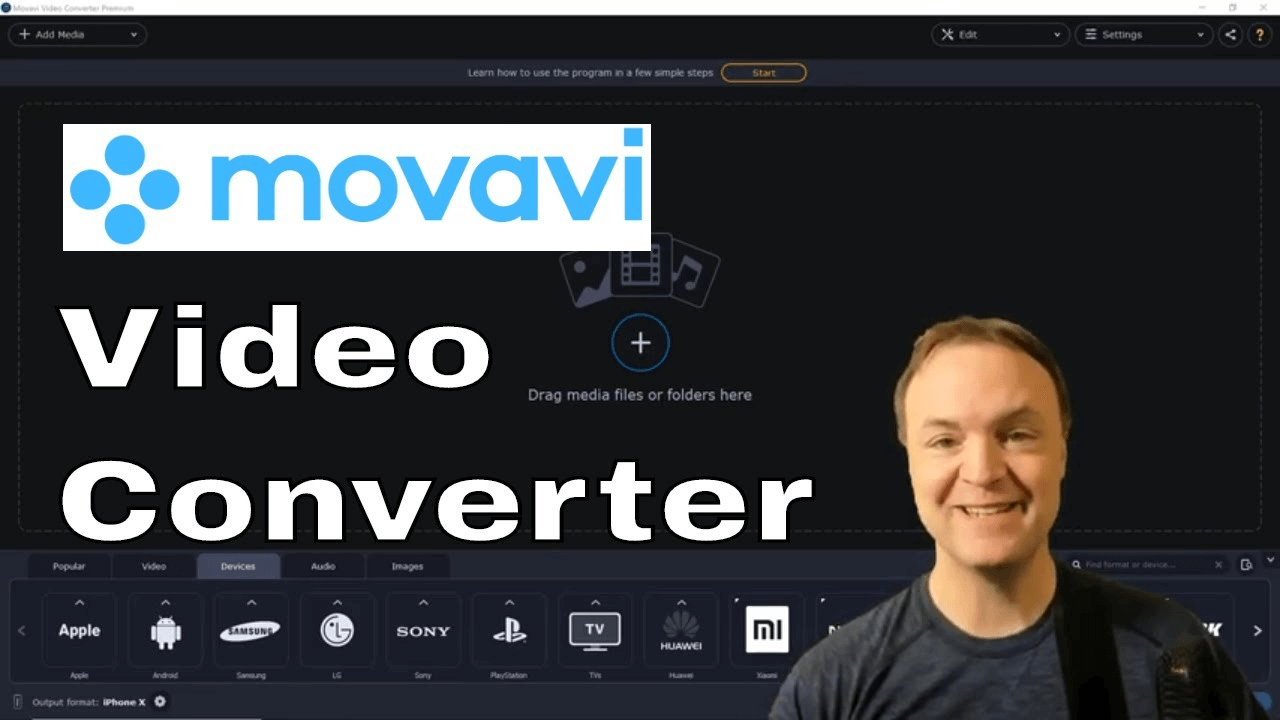
Movavi Video Converter
Movavi Video Converter is a popular video conversion software for Mac users. It is known for its simple and intuitive interface, as well as its powerful conversion capabilities. With Movavi Video Converter, you can easily convert your videos to various formats, including popular ones like MP4, AVI, MKV, MOV, and more.
One of the key features of Movavi Video Converter is its broad format support. It supports over 180 different media formats, which means you can convert your videos to be compatible with almost any device or platform. It also has a built-in video editor that allows you to edit your videos, such as trimming, cutting and cropping, adjusting brightness and contrast, adding text and watermarks, and more.
Another great feature of Movavi Video Converter is its fast conversion speed. The app uses advanced encoding and decoding technologies to convert videos quickly without sacrificing quality. It also supports batch conversion, which means you can convert multiple videos simultaneously, saving you a lot of time.
In addition, Movavi Video Converter also offers a range of customizable settings, such as resolution, bit rate, and more. This allows you to fine-tune the output of your videos to suit your specific needs.
Movavi Video Converter is a powerful and easy-to-use video conversion software for Mac users. It supports various input and output formats and offers fast conversion speeds and customizable settings. Its user-friendly interface and built-in video editor make it an excellent choice for those who need to convert their videos for different devices or share them online.
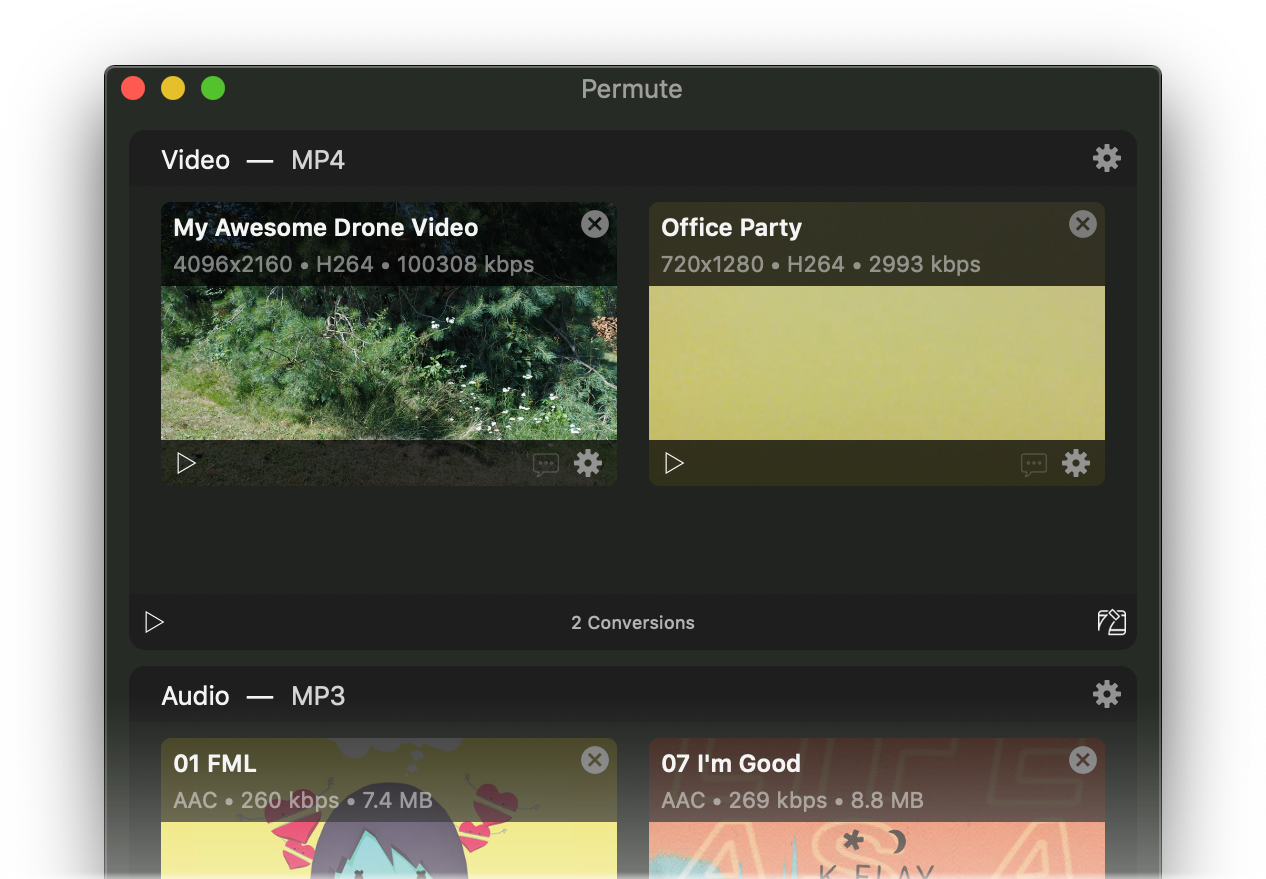
Permute
Permute is a popular video converter app for Mac users. It is known for its simple and intuitive interface, as well as its powerful conversion capabilities. With Permute, you can easily convert your videos to various formats, including popular ones like MP4, AVI, MKV, MOV, and more.
One of the key features of Permute is its broad format support. It supports a wide range of input and output formats, including 4K and HD videos, which means you can convert your videos to be compatible with almost any device or platform. It also supports batch conversion, which means you can convert multiple videos simultaneously, saving you a lot of time.
Another great feature of Permute is its fast conversion speed. The app uses advanced encoding and decoding technologies to convert videos quickly without sacrificing quality. It also offers a range of customizable settings, such as resolution, bit rate, and more. This allows you to fine-tune the output of your videos to suit your specific needs.
In summary, Permute is a powerful and easy-to-use video conversion app for Mac users. It supports various input and output formats and offers fast conversion speeds and customizable settings. Its user-friendly interface and batch conversion feature makes it an excellent choice for those who need to convert their videos for different devices or share them online.
Handbrake
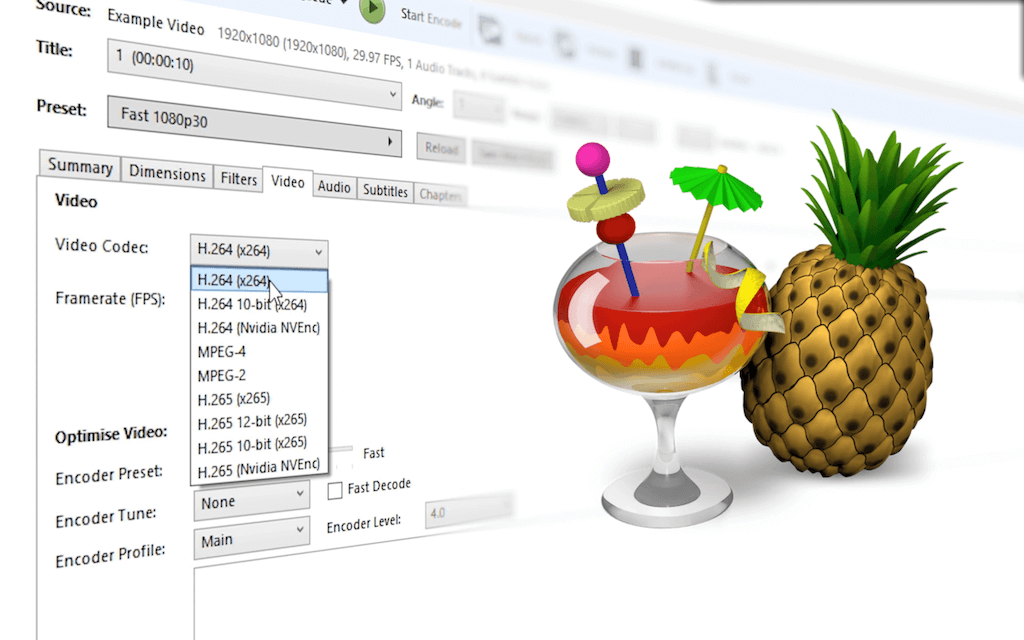
Handbrake is a free, open-source video transcoder popular among Mac users. It is known for its ability to convert video files from one format to another while maintaining high video and audio quality. Handbrake can convert video files from various formats, including DVD and Blu-ray discs, and video files in formats such as MP4, AVI, MKV, and more.
One of Handbrake's key features is its support for many codecs. It can encode video in the H.264, H.265, and MPEG-4 codecs and audio in the AAC, AC3, and MP3 codecs. This means you can convert your videos to be compatible with almost any device or platform.
Another great feature of the Handbrake is its ability to adjust video and audio settings. It allows you to adjust the resolution, bitrate, frame rate, and more, which allows you to fine-tune the output of your videos to suit your specific needs.
Handbrake also offers a variety of advanced features, such as the ability to add subtitles, to crop and resize videos, and even add a watermark.
In summary, Handbrake is a powerful and versatile video transcoder popular among Mac users. It supports a wide range of input and output formats, offers a variety of codecs and customizable settings, and is entirely free to use. It's an excellent choice for those who need to convert videos to different devices or share them online.
Wondershare UniConverter
Wondershare UniConverter is a comprehensive video conversion tool for Mac users. Wondershare, a well-known developer of multimedia software, develops it. The tool is designed to convert video files between various formats and includes various additional features such as video editing and DVD burning.
One of the key features of Wondershare UniConverter is its broad format support. It supports various input and output formats, including popular ones like MP4, AVI, MKV, MOV, and more. This means you can convert your videos to be compatible with almost any device or platform.
Another great feature of Wondershare UniConverter is its fast conversion speed. The app uses advanced encoding and decoding technologies to convert videos quickly without sacrificing quality. It also offers a range of customizable settings, such as resolution, bit rate, and more. This allows you to fine-tune the output of your videos to suit your specific needs.
Wondershare UniConverter also includes built-in video editing features such as cropping, trimming, and adding effects. It also allows you to download videos from popular websites, and you can also burn your videos to DVD.
In summary, Wondershare UniConverter is a powerful and easy-to-use video conversion tool for Mac users. It supports various input and output formats and offers fast conversion speeds and customizable settings. Its user-friendly interface, built-in video editor, and additional features such as DVD burning make it an excellent choice for those who need to convert their videos for different devices or share online.